Pain is the most common factor people look for aid in emergency situation and prehospital settings. When it is taken care of well, every little thing else obtains simpler: evaluation clearness enhances, treatments continue without battle, and patients remember they were treated with self-respect. When it is dealt with poorly, also straightforward cases can spiral into frustration, unneeded sedation, and avoidable problems. Advanced discomfort administration programs aligned to PUAEME008 concentrate on useful, defensible abilities that equate straight to the roadside, the resus bay, or the sports area. If you need a discomfort management certificate that takes on scientific examination and operational truths, placement with PUAEME008 offer discomfort administration is the typical to look for.
What PUAEME008 really implies in practice
PUAEME008, frequently written informally as puaeme008, is a device of expertise extensively adopted throughout emergency situation response and prehospital care programs in Australia. It expects medical professionals and responders to examine pain efficiently, pick appropriate analgesic techniques, carry out safely, monitor, and record. That list reviews easy, however the subtlety issues. The system thinks restraints that hospital staff occasionally fail to remember: limited monitoring, dynamic scenes, variable person background, and stress to choose rapidly while moving.
A training course aligned to PUAEME008 ought to not simply recite pharmacology. It ought to make you competent to give pain monitoring under real field restraints, consisting of inconsistent hints, sensory overload, and insufficient details. It must train you to begin, reassess, pivot, and validate your choices in ordinary language.
Who gain from PUAEME008-aligned training
These programs are built for very first -responders, paramedics, event medics, and clinicians that function without the safety net of a ward group. That stated, the structure carries over well to hospital-based teams that interface with triage, transportation, and procedures. Discomfort administration training courses for nurses commonly make use of PUAEME008 principles since the device takes care of rapid assessment, titration, and sensible approval in a manner that fits busy scientific floorings. Pain administration training courses for physiotherapists profit as well, specifically when they cover acute bone and joint pain, red flag screening, and safe escalation paths.
The charm is pragmatic. Whether you want a short training course hurting administration to refresh abilities prior to a season of events, or you are developing towards a pain administration certification training course as component of a more comprehensive scope, the proficiency offers you a scaffold that is acknowledged, auditable, and transferable.
What solid programs instruct beyond the slides
Good discomfort management training courses instruct more than the distinction in between paracetamol and ketamine. They build judgment. You discover when to pick a rapid onset agent and approve a shorter period, when to anchor treatment with a non-opioid base, and when to keep back due to the fact that the discomfort is diagnostic. They also deal with the human side. Individuals bear in mind if you thought them. They discover if you discussed the strategy or simply pushed a medicine and strolled away.
In method, the far better programs emphasize 5 domains: assessment, option, administration, monitoring, and communication. The specifics vary, yet the foundation is consistent.
Assessment with purpose
The program should teach two patterns of assessment. First, a fast screen that you can complete while moving a stretcher, capturing device, place, radiation, and early warnings like transformed mental status, hypotension, or arm or leg anemia. Second, an organized, repeatable analysis that educates treatment and lets you track modification. That usually means a numerical rating, a functional action, and a qualitative descriptor. For kids or cognitively impaired grownups, visual or behavioral scales replace numbers.
You find out to separate pain that indicates a relatively easy to fix reason from pain you can treat boldy. Upper body pain with diaphoresis and hypotension needs a various method from an ankle strain at a marathon. The program ought to drill this splitting up until you can make that phone call under sound, time stress, and distraction.
Intelligent selection
A well created certificate course suffering monitoring will certainly provide analgesics as devices, not as brand names. When I educate this material, I arrange alternatives right into supports and accelerants. Anchors are agents that offer stable, foreseeable relief with a tolerable side effect account, like paracetamol and NSAIDs for bone and joint pain, or nitrous oxide for brief, painful procedures. Accelerants are the quick, titratable agents you reach for when anchors will certainly not stay on top of the discomfort trajectory, like fentanyl, morphine, ketamine, or a regional block.
Courses aligned with PUAEME008 typically certificate course in pain management cover:
- Oral, IV, and intranasal choices ideal for prehospital use, including dosage varieties, start, and duration. Non-pharmacologic choices like splinting, cool therapy, repositioning, and spoken mentoring, which lower dosage demands and negative events.
The finest programs discuss why the path matters. For instance, intranasal fentanyl can be the right selection for a fractured wrist in a child due to the fact that it stays clear of IV placement, regulates pain rapidly, and permits tranquil immobilization. IV morphine could fit a grown-up with kidney colic, coupled with antiemetics and fluids. Reduced dose ketamine can link serious trauma pain when opioids alone are poor, especially if hypotension is a concern.
Administration that values physiology
Speed is not the same as haste. Great training courses promote titration and spacing. With fentanyl, that could mean tiny increments every couple of minutes, enjoying breathing rate and sedation as opposed to counting on a single huge dose. With ketamine in the subdissociative range, you find out to anticipate transient side effects and how to train clients with them. If your context supports nitrous, you practice mentoring the inhale pattern and establishing assumptions so the client remains engaged.
Routes issue. Intranasal routes assist when IV gain access to is delayed or unneeded. Intraosseous paths come into play in trauma. Oral agents are undervalued; numerous responders miss them, after that chase pain with IV boluses. Programs that straighten with PUAEME008 teach integrating routes smartly, so the dental or breathed in support supplies a base while you titrate IV representatives to effect.
Monitoring and reassessment
Pain management training for nurses has a tendency to formalize reassessment periods since paperwork drives medical facility method. In the field, the society in some cases minimizes it. An excellent puaeme008 give pain management program pressures routine checks. You gauge not only the discomfort score but respiration, sedation, orthostatic tolerance if appropriate, and functionality. Can the individual tolerate the splint currently? Can you execute an additional survey without distress? Reassessment overviews taper decisions, extra application, and transport priorities.
Communication and consent
Emergency discomfort management frequently needs fast permission. You find out wording that uses simple language with enough information for purposeful acceptance. As an example, in the past low dosage ketamine: I can offer a medicine that aids pain quickly without reducing blood pressure. Some individuals feel floaty or a bit weird for a couple of mins. You can still talk with me, and I will stay with you. After that you look for understanding and proceed.
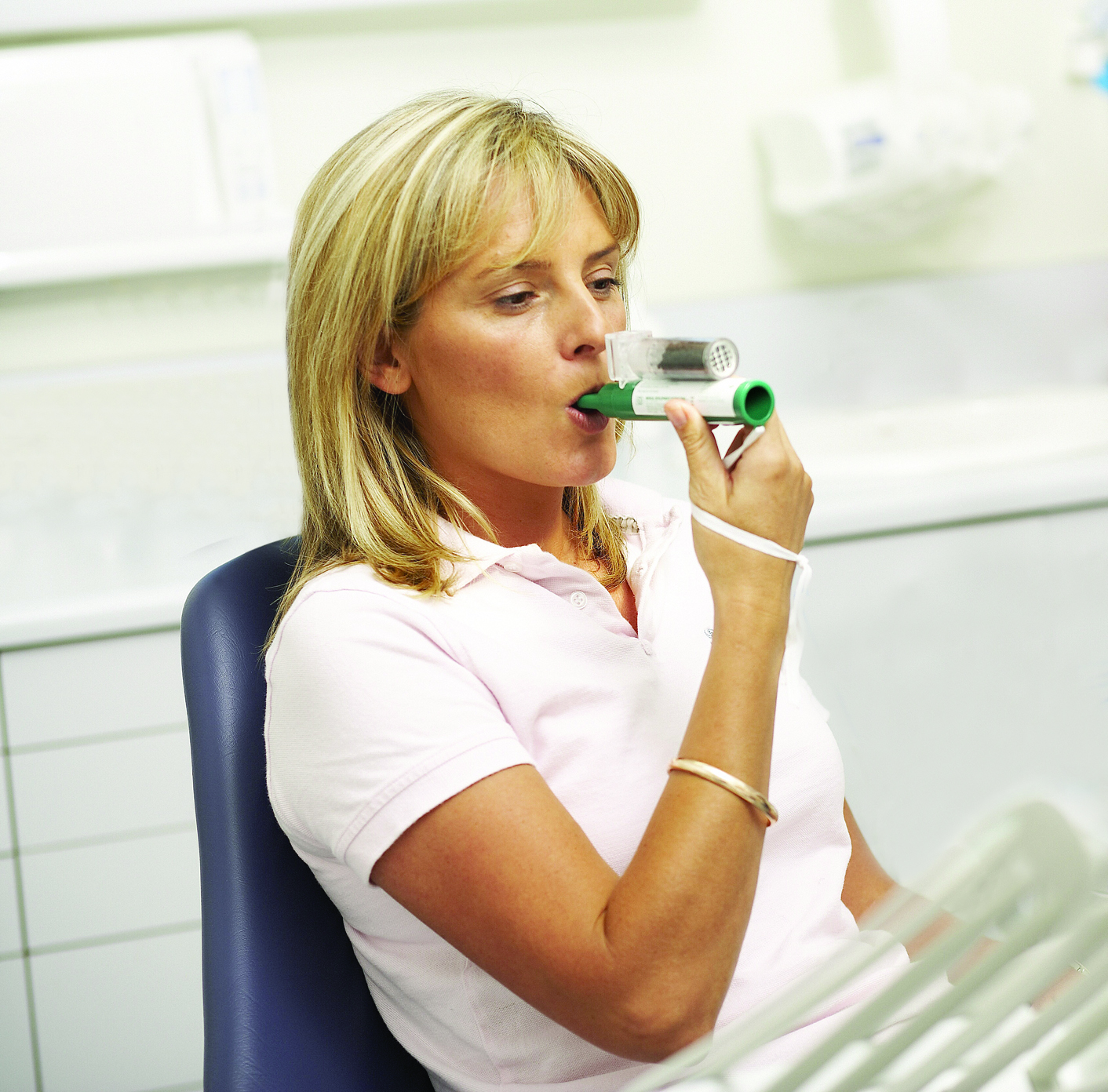
The training course must practice this discussion continuously, including with interpreters, nervous parents, or the inebriated grownup that needs clear border setting before any opioid administration.
Scenarios that divide concept from competence
Well created pain monitoring training courses lean on situation job. 3 vignettes record the truth better than any slide deck.

A road cyclist with a closed shin crack on a wet shoulder. You have an assistant, restricted shelter, and traffic sound that makes auscultation hopeless. The primary threats are hypothermia, motion pain, and risk-free extrication onto the stretcher. If you trained well, you trainer breathing while setting up intranasal fentanyl, apply a vacuum cleaner splint, and add dental analgesia once settled for transport. If the discomfort continues to be high after 5 minutes, you top up intranasal or transform to IV and titrate. Due to the fact that the scene is exposed, you bundle and move early, not remain to chase after an excellent score.
A senior citizen with rib cracks from a ground level loss. He is tachypnoeic from splinting and already nauseated. You start with paracetamol and a tiny dosage of IV fentanyl or morphine while preparing antiemetics. The focus is practical: can he take a complete breath without wincing? A training course that takes PUAEME008 seriously will additionally cover local options like regional blocks where scope enables, or at least advise very early escalation pathways so the person gets longer relief in the following care phase.
A youngster with a dislocated elbow at an institution sports day. Prior to any person tries decrease, you train the youngster and moms and dad, apply intranasal fentanyl, and consider nitrous if available. Decrease success prices climb up when the youngster trusts the process and discomfort is under control. Programs for physiotherapists commonly incorporate this circumstance, since risk-free reduction and immobilization live beside their scope depending upon jurisdiction.
Documentation that shields you and the patient
Pain administration qualification programs position heavy emphasis on paperwork completely reason. Excellent notes help the next medical professional, sustain top quality renovation, and safeguard you in reviews. A PUAEME008-aligned method documents baseline pain, context, picked representatives, dose, route, time, awaited effects, and reassessment outcomes. If you kept a representative to preserve analysis clearness, state that explicitly. If a client declined opioids because they required to drive later, tape the conversation and your alternate plan. Gradually, these notes end up being information for solution renovation and training updates.
Tailoring to various professions
A generic discomfort monitoring program will certainly not please a blended cohort. The very best pain monitoring training for nurses concentrates on system process, sedation racking up, adverse event recognition, and control with prescribers. It integrates analgesia with procedures like catheterization, injury treatment, or drain removal. It manages constraints like medicine schedule during night shifts and policies on double-signing opioids.
Pain administration training courses for physiotherapists emphasize differential diagnosis, red flags that need rise, and methods like hands-on discharging, taping, and guided movement that halve the need for medication. They additionally take on patient education around pacing, rated direct exposure, and realistic timelines, which reduce frequent presentations.
Paramedic-focused discomfort monitoring training programs concentrate on transport constraints, scene control, intravenous access choices, and options between intranasal, IV, and breathed in routes. They include a heavy dose of arrangement skills, since managing discomfort in drunk or combative individuals tests both clinical and interpersonal judgment.
The makeup of a legitimate course
If you are picking a discomfort administration accreditation training course, search for a number of markers. Placement with PUAEME008 need to be explicit, consisting of performance criteria and evidence demands. There ought to be instructor-led simulations, not just video clips. Evaluation needs to include circumstance testing with review, not a one-and-done dose choice. Pupils need to experiment the exact same delivery tools they will certainly utilize on duty, whether that is atomizers for intranasal shipment, need shutoffs for nitrous, or mixture pumps for titration.
Beware programs that oversimplify opioid usage or existing ketamine as a miracle drug. Actual training addresses unfavorable impacts, contraindications, and alternate paths. It discusses exactly how to manage a desaturation episode without panic, exactly how to reverse an opioid securely, and how to de-escalate when a person demands more powerful medication that is scientifically inappropriate.
The course should include existing standards and sensible varieties. For instance, subdissociative ketamine in the ball park of 0.1 to 0.3 mg/kg IV with slow titration, or 0.5 to 1 mg/kg IM when IV access is not viable, with adjustments to suit local methods. It must acknowledge irregularity in drug accessibility and scope throughout regions. Numbers ought to be presented with context, not as rigid dishes, and always within the bounds of your governance.
Common mistakes and just how training courses deal with them
New professionals fall under predictable catches. They underdose oral agents while awaiting a legendary perfect IV moment. They stack opioids as well promptly, then invest the experience handling nausea or vomiting and hypoventilation. They forget splinting can increase the result of any type of analgesic. They speak inadequate, hurrying authorization and missing out on a possibility to develop trust fund. Quality programs make pupils exercise the repair for each challenge till it becomes habit.
Over time one more catch appears: complacency. After hundreds of similar instances, it is very easy to deal with every low back pain call the same way. Strong programs preach alertness for atypical functions like urinary retention, high temperature, or sudden neurological shortage that turn a routine situation right into an emergency. This is where PUAEME008's emphasis on review makes its maintain. If the story does not fit, the strategy needs to change.
Short courses hurting management versus deeper certification
Short courses suffering monitoring fill an actual demand. They are optimal before event seasons, lineup modifications, or after plan shifts. In five to eight hours, a well run workshop can revitalize pharmacology, hone analysis, and rebuild self-confidence with tools. For lots of groups, this tempo, duplicated every year, keeps practice safe.
A full discomfort monitoring certification training course or a broader discomfort management accreditation supplies depth. Expect situation evaluations, extended simulation blocks, and official analysis versus PUAEME008. It often consists of interprofessional circumstances and more in-depth web content on complicated individuals: persistent opioid users, pregnant individuals, and those with substantial comorbidities. The trade off is time and cost, but the payback is stronger team coherence and fewer damaging events.
Emergency pain monitoring when secs matter
Some pain is not just uneasy, it is hemodynamically substantial. Severe pain spikes catecholamines, drives tachycardia, and worsens ischemia or bleeding. Emergency pain monitoring, when done right, stabilizes the physiology. In trauma, reduced dosage ketamine can blunt the thoughtful rise without the hypotension that accompanies greater opioid doses. In arm or leg injuries, rapid analgesia allows mindful repositioning and splinting that pain management training courses brings back perfusion. In biliary or kidney colic, early antispasmodics paired with opioids or NSAIDs transform a chaotic scene into a regulated one so transportation proceeds smoothly.
The ability lies in matching the treatment to the home window. A long transportation with stable vitals supports split analgesia and cautious titration. A short transport with unpredictable vitals could warrant an instant, fast-onset representative with close surveillance, postponing longer acting options to the obtaining team.
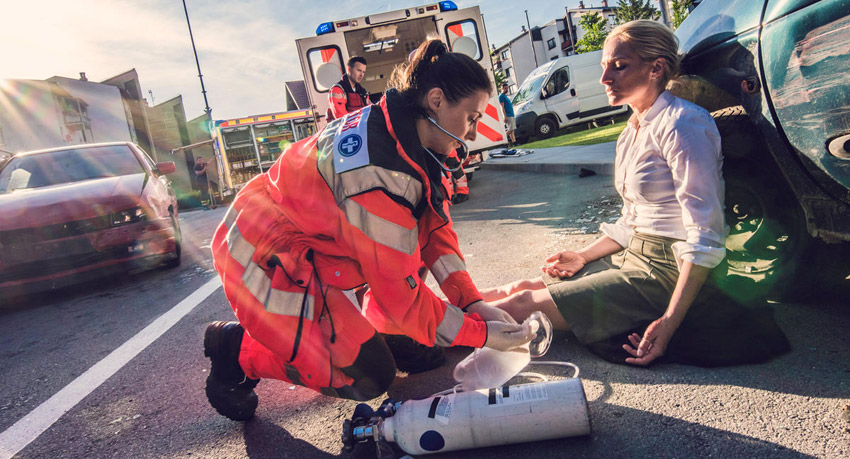
How carriers preserve capability after the certificate
Competence decays if it is not used. Groups that sustain solid technique adopt a few simple behaviors:
- Run short, regular monthly refresher courses using actual equipment and 2 or three focused scenarios. Review one tough pain situation per shift block, checking out evaluation quality, agent option, and review notes.
Those 2 routines, consistently used, keep abilities fresh. They likewise surface policy gaps before they create injury. Several solutions couple these behaviors with medicine audits, tracking outliers in dose or agent option and feeding that back into training.
What the person sees
People rarely bear in mind specific discomfort ratings. They keep in mind if someone described the strategy, checked on them, and treated them as partners. They see when a medical professional prepares for nausea or vomiting and offers an antiemetic as opposed to waiting on the most awful. They appreciate clear boundaries, specifically when requesting stronger medicine. Excellent quality discomfort administration training weaves these human touches right into the professional regimen. When done well, it transforms an excruciating occasion right into a tale of treatment instead of a story of fear.
Building your pathway
If your goal is a discomfort monitoring certificate straightened to PUAEME008, map your next steps. Start with a trustworthy service provider that can record positioning and provide supervised practice. If you are a registered nurse or physio therapist, select a stream developed for your scope. If you function prehospital, choose a training course that covers intranasal techniques, titration in transit, and documentation under pressure. After accreditation, schedule refreshers and incorporate discomfort discussions right into handovers, not simply vital signs.
Over a calendar year, the difference shows in metrics you respect: fewer hold-ups to treatments, smoother extrications, lower prices of nausea or vomiting and hypoventilation, far better individual comments, and cleaner charts. On challenging changes, the difference receives calmer groups and quieter ambulances.
Final thoughts from the field
I have actually educated and audited discomfort administration throughout active urban services and tiny regional teams. The ones that provide continually excellent care do the basics well every single time. They evaluate promptly and honestly, pick logically, titrate with perseverance, and return to the client with straightforward concerns, does it feel much better, can you take a breath simpler, can I move your leg currently. They log what they did and why. They learn from the days when the plan did not function, and they update their playbook.
PUAEME008 is not a magic number. It is a criterion that captures these habits, and a discomfort monitoring training course built to that conventional provides you the muscle mass memory to execute them when it matters. Whether you desire a discomfort monitoring qualification to progress your function, a short refresher prior to event season, or an extensive discomfort monitoring training for nurses or physio therapists to tighten up team practice, the best course makes a noticeable distinction. It shows in the person's face when the pain launches, in the steadier hand during splinting, and in the quiet that go back to an area once are afraid gives way to relief.